The History of Hidden Hills: How a Quiet Equestrian Community Became One of California's Most Exclusive Neighborhoods
From rolling hills and horse trails to one of Southern California's most prestigious addresses, discover the remarkable story behind Hidden Hills and the vision that continues to define it today.
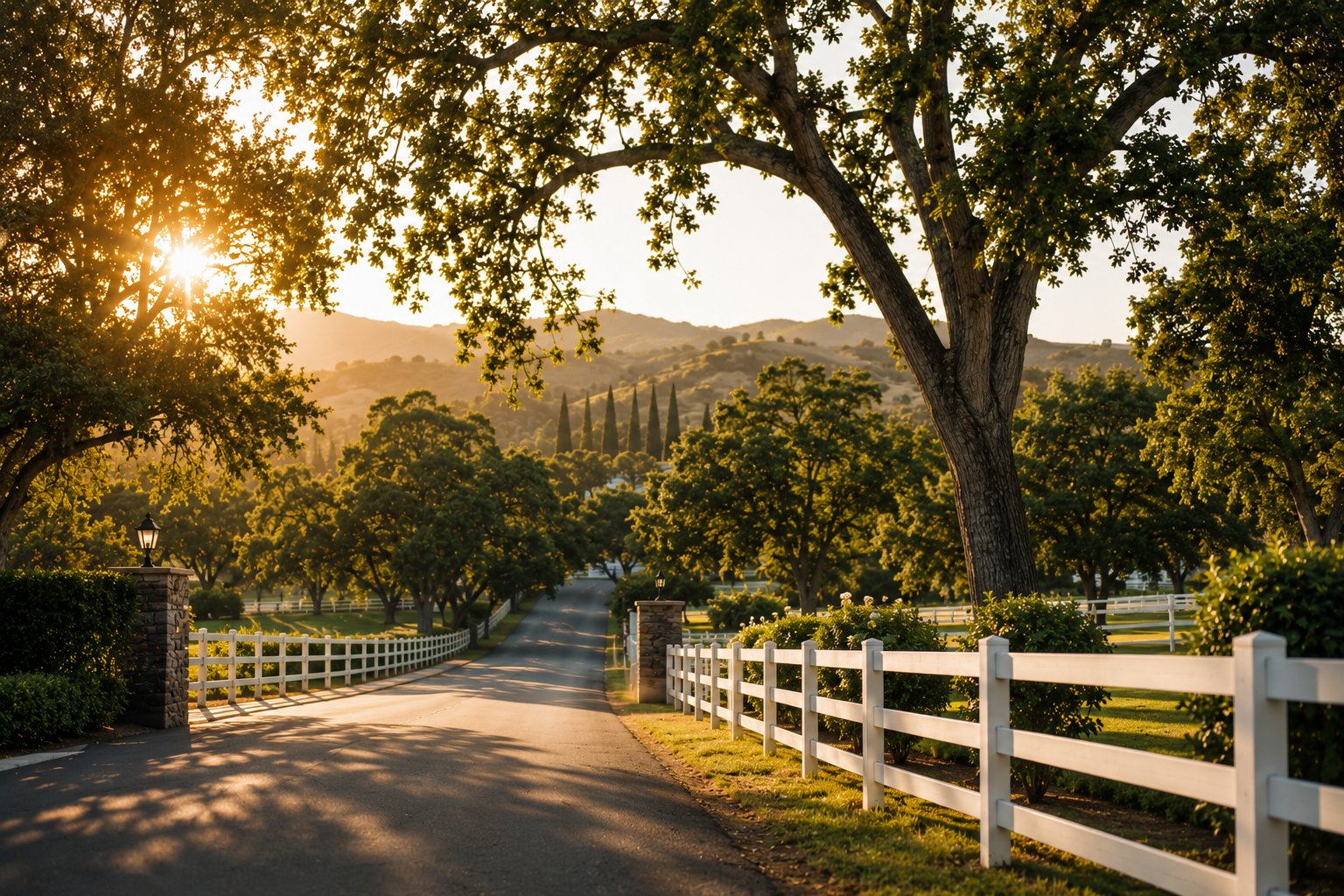
When people hear the name Hidden Hills, it's often associated with sprawling estates, privacy, guarded gates, and some of the most recognizable names in entertainment. In reality, Hidden Hills is a quiet equestrian community in Southern California where open land, horses, and a close connection to nature have shaped a rare residential lifestyle just minutes from Los Angeles. But long before celebrities called Hidden Hills home, this community was built around a very different idea: a place where families could enjoy the peaceful rhythm of country living without leaving the city behind.
More than seventy years later, that original vision remains remarkably intact—and it's one of the biggest reasons Hidden Hills continues to be unlike any other neighborhood in Southern California. For readers interested in exclusive communities, equestrian living, Southern California neighborhoods, or the history and character behind Hidden Hills' reputation, this article looks at how the area was planned, what values it was built to preserve, how celebrity influence changed its public image, and why it still stands as one of California's most distinctive and prestigious neighborhoods.
A Vision Rooted in Country Living
In 1950, renowned Southern California landscape architect and developer A.E. Hanson began transforming approximately 1,000 acres of rolling countryside, on an original site of about 1.3 square miles, into a new kind of residential community. Hanson, who had also played a key role in developing Rolling Hills on the Palos Verdes Peninsula, believed neighborhoods should be designed around lifestyle, not simply around homes.
At a time when Los Angeles was expanding rapidly, Hanson imagined something entirely different: a community where large lots, open space, horses, and a connection to nature would take priority over density and urban growth.
His vision was advertised with a simple but memorable slogan:
"1,000 Acres of Elbow Room. Live in Hidden Hills, Where Living Is Fun."
Prospective homeowners could purchase one-acre lots surrounded by rolling hills, oak trees, and miles of riding trails, an opportunity that felt worlds away from the increasingly crowded neighborhoods throughout Los Angeles.
Building the Hidden Hills Community, Not Just Homes
Unlike many master-planned developments of the era, Hidden Hills wasn't designed around shopping centers or commercial districts. It was designed around people. The first two model homes were built along Long Valley Road in 1950. The very first home sold belonged to actor Leo Gorcey, known for his role in the Dead End Kids films, marking the beginning of Hidden Hills' long relationship with Hollywood.
Even today, many of the neighborhood's street names reflect the natural landscape that existed before development. Long Valley Road was named for the valley that stretched across the property, while Round Meadow, Wingfield, and Lasher Road each tell a small part of Hidden Hills' early story. Hanson also named several streets after early American explorers and frontiersmen, hoping to inspire future generations to appreciate the history of the American West.
These thoughtful details illustrate that Hidden Hills wasn't envisioned as another subdivision, it was intended to become a lasting community with its own identity.
Equestrian Trails and Horses Were Never an Amenity, They Were the Foundation
Perhaps no feature defines Hidden Hills more than its equestrian heritage. From the very beginning, horses weren't simply welcomed, they were central to the community's identity.
Each property was intentionally designed with enough land to accommodate barns, stables, and riding areas, and large lots could also handle corrals and related horse facilities. The hidden hills community was built to support equestrian life through dedicated facilities, including riding arenas, with Saddle Creek Arena measuring 300 x 120 feet, Spring Valley Arena featuring a 140 x 250 foot pipe arena, and Lewis + Clark Arena at 80 x 190 feet for training and daily horse work. Residents can also visit pools and tennis courts, while an extensive network of bridle trails connected residents throughout the neighborhood. Rather than sidewalks, dirt paths lined the streets, reinforcing the rural atmosphere that Hanson believed made Hidden Hills so special.
This commitment to equestrian living quickly shaped everyday life.
One of Hidden Hills' most cherished traditions began in 1959 when six-year-old Deborah Williams suggested attending church on horseback. Her simple idea evolved into the community's beloved Church on Horseback, where families arrived on horses, ponies, donkeys, buggies, and surreys for outdoor worship services, a tradition that perfectly captured the spirit of the neighborhood.
Today, although many residents may never saddle a horse, the bridle trails, white rail fences, and open spaces remain defining characteristics of Hidden Hills and continue to preserve the community's unique identity.
The Fight to Preserve Hidden Hills
One of the most important chapters in Hidden Hills' history happened before the city officially existed. In the early 1960s, residents learned they could be annexed into the City of Los Angeles. Even more concerning was a proposal to extend Burbank Boulevard directly through the center of the community. Rather than risk losing the rural character they had worked so hard to create, residents organized a campaign to incorporate Hidden Hills as its own city. The response was overwhelming.
Nearly 79 percent of registered voters signed the petition supporting incorporation, and on September 19, 1961, residents voted decisively in favor of city hood. One month later, on October 19, 1961, Hidden Hills officially became the 73rd city in Los Angeles County. That decision continues to shape the community today.
Because Hidden Hills became its own city, residents have been able to preserve many of the qualities that first attracted families to the area, including its rural atmosphere, lack of commercial development, and commitment to open space. The community was developed to protect a private, equestrian way of life and is located near the Los Angeles County border, just north of the Santa Monica Mountains, so proximity to both nature and city access continues to matter for residents who want to stay close to daily conveniences. Hidden Hills remains a very small city, with a population around 2,000 and 1,725 residents counted in 2020. In 2020, it had 593 households, with 67.3% married-couple households and 90.4% of occupied housing units owner-occupied. That year, 21.7% of residents were under 18 and 89.4% identified as white.
From Rural Retreat to Global Recognition
For decades, Hidden Hills remained something of a well-kept secret. Actors, athletes, and entertainers quietly discovered the community long before it became internationally recognized, drawn by its large lots, peaceful setting, and remarkable privacy. The neighborhood's profile changed dramatically in the early 2000s as Keeping Up with the Kardashians aired and filmed its first three seasons there, introducing millions of viewers to Hidden Hills and reinforcing its image as an uber-elite enclave. The increased visibility sparked curiosity around the world, transforming the once-private community into one of the most recognizable luxury neighborhoods in America.
Yet celebrity attention didn't change the reasons people wanted to live here. Privacy. Space. Security. A slower pace of life. These were the same qualities that attracted residents decades earlier and they remain the foundation of Hidden Hills today.
A Community Where Family Members Have Never Lost Their Identity
Despite evolving architecture and larger custom estates, Hidden Hills has remained remarkably faithful to A.E. Hanson's original vision.
The city still has:
- Miles of protected equestrian and walking trails with easy access to open space nearby
- White three-rail fences that define its streetscape
- Large estate lots that preserve privacy
- No commercial shopping centers or office buildings within the gates, with controlled access so residents and authorized guests enter through guarded gates as they deal with visitor entry
- A strong sense of community built around local traditions and events, including the annual fiesta and farmers market, where temporary passes can be arranged for family members
These aren't simply aesthetic choices, they're intentional decisions that continue to protect the Hidden Hills community's character and lifestyle. It's one of the reasons Hidden Hills feels so different from nearly every other luxury neighborhood in Los Angeles.
Hidden Hills Today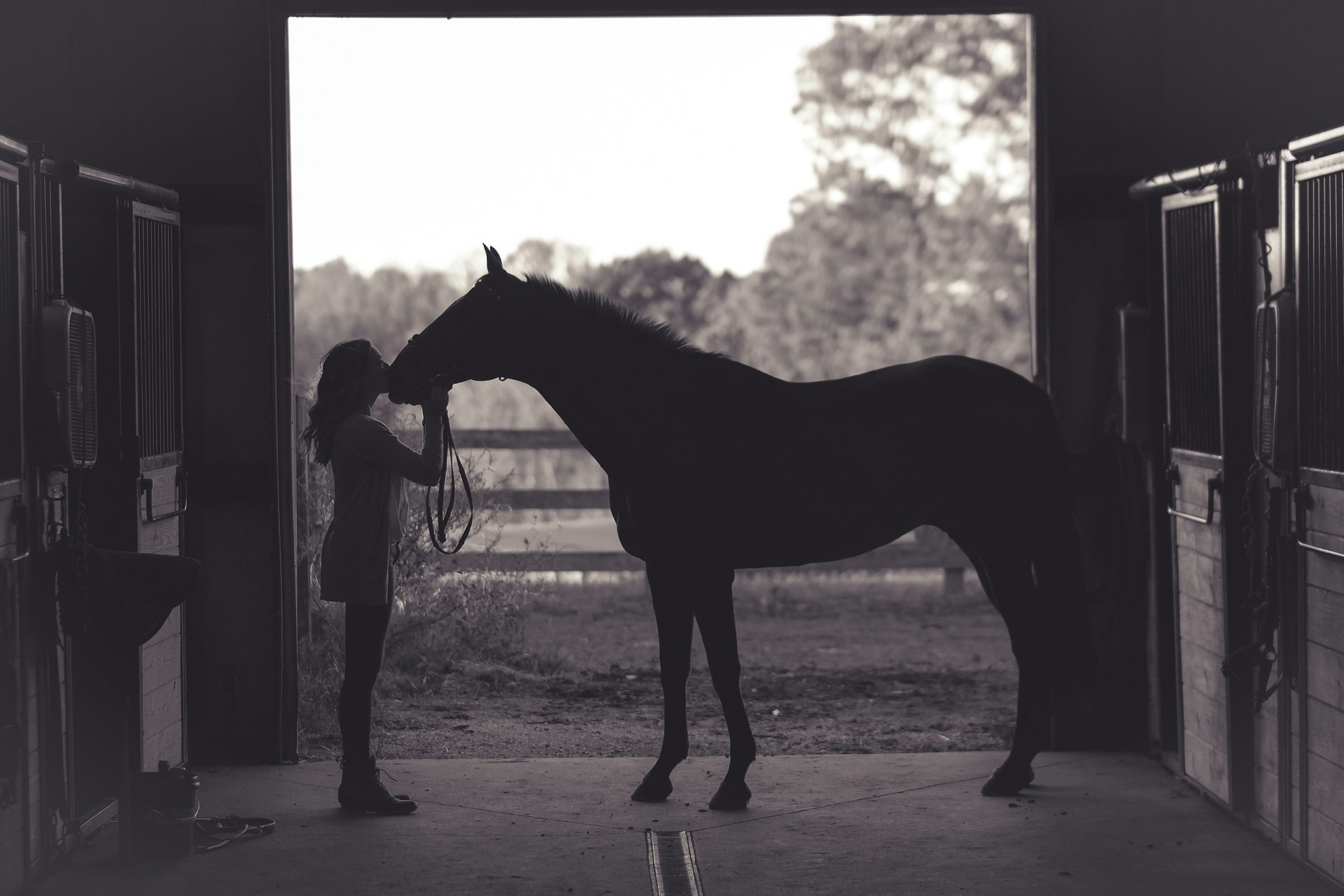
Today, Hidden Hills is recognized as one of Southern California's most prestigious residential communities. While its luxury homes and notable residents often attract headlines, those who truly know Hidden Hills understand that its greatest luxury isn't found in square footage or celebrity ownership. It's found in the quiet mornings along the bridle trails. The openness of one-acre estates. Neighbors gathering for long-standing community traditions. And a commitment to preserving a lifestyle that has remained remarkably consistent for more than seven decades.
In a region constantly evolving, Hidden Hills stands as a rare example of a community that has grown without losing sight of the values on which it was founded.
The story of Hidden Hills isn't ultimately about celebrity. It's about vision. When A.E. Hanson first imagined "1,000 Acres of Elbow Room," he wasn't trying to build California's most famous gated community. He was creating a place where families could enjoy space, privacy, horses, and a true sense of community without sacrificing proximity to Los Angeles.
More than seventy years later, that vision continues to shape everyday life. While the homes have become larger and the neighborhood has earned worldwide recognition, the heart of Hidden Hills remains remarkably unchanged. And perhaps that's what makes it one of the most extraordinary places to call home.
Sources
Research for this article was compiled from publicly available resources including:
• Hidden Hills Community Association
